Showing posts with label leaf print. Show all posts

Sunday, February 6, 2011

A bit of news

30th Worldwide SketchCrawl
Just a quick update…our local paper sent a photographer to our SketchCrawl and created a small photo gallery for the online version. You can see us in action by clicking on this link.


A Reprint
Other nice news – Artella has once again reprinted one of my blog articles in their e-Zine, The Art Journal Journey.  This article is one on leaf printing, and describes my explorations using watercolors and acrylics. If you’re interested in printing with leaves, you can read about leaf printing here, with my follow-up article here.


A past client shares photos
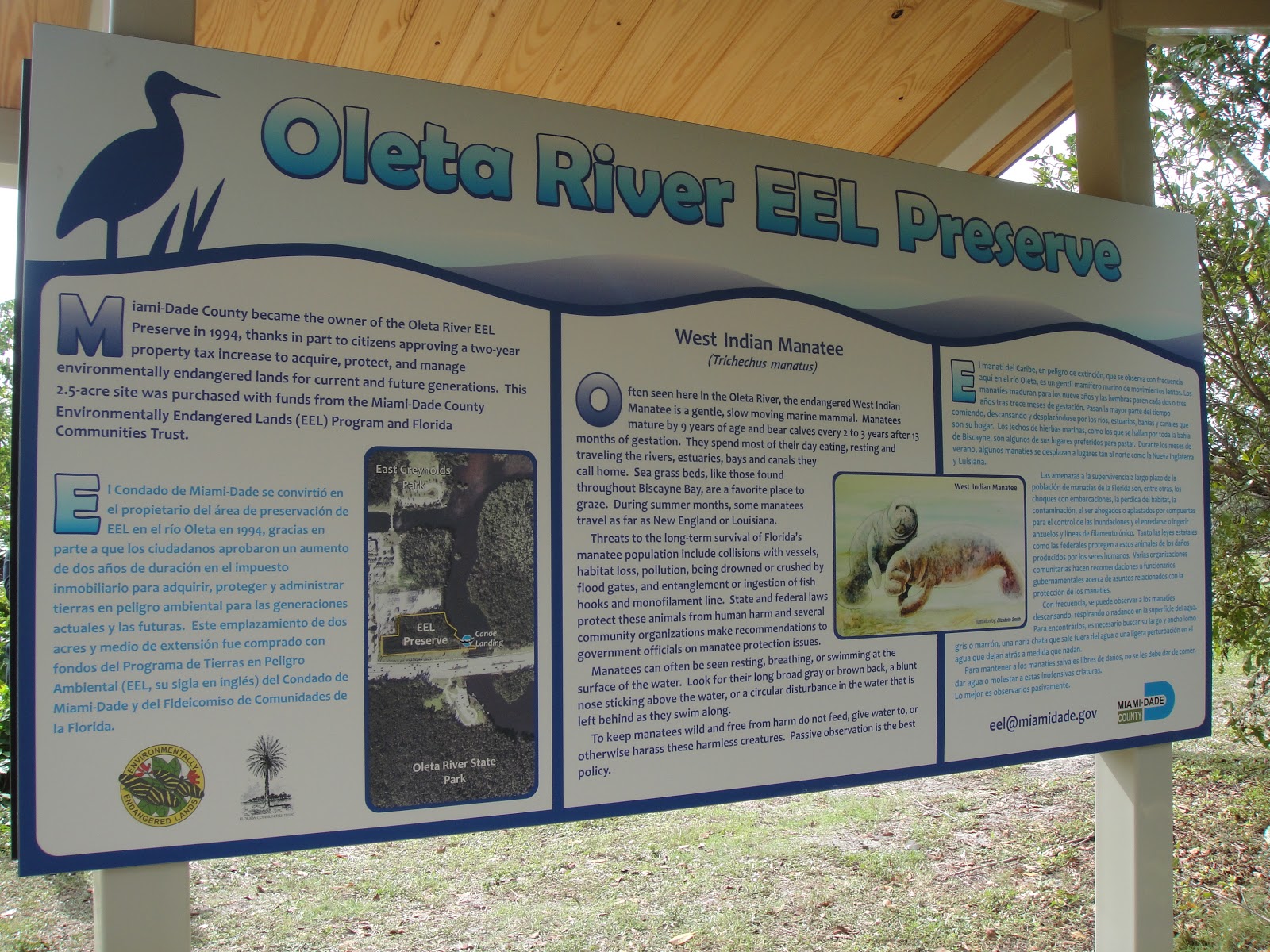
I did some illustrations for Miami-Dade County Department of Environmental Resources Management (DERM) that they used in signage for parks at Oleta River and at a rare scrub preserve. Robin Gray-Urgellés, the biologist working on the program, very kindly sent me photos of the finished kiosks as well as permission to use her images. Thank you, Robin!


And a past illustration is reused for a great event
If you are in the South Florida area Saturday March 12th, consider visiting The Randell Research Center in Pineland for their Sixth Annual Calusa Heritage Day event. You can find information here, and in more detail here.  I’m honored to have my illustration used for their promotional posters and flyers. The image is done on scratchboard and depicts a wooden mask surrounded by native plants used by the Calusa peoples.

Sunday, December 12, 2010

More leaf printing

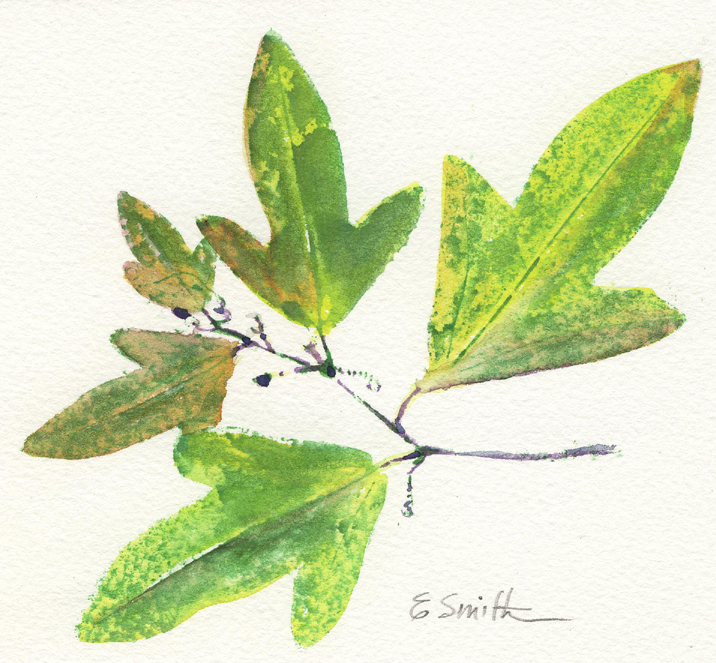
Leaf printing is a fascinating way to learn about different types of leaves, as well as a great excuse to play around with paint!

When I wrote my first piece on leaf printing, I received some wonderful feedback from others on their particular approaches. Although I haven’t had time to try them all out (yet), I did experiment with pressed maple leaves, watercolors, and household detergent.  Since I have allergies and a low tolerance for fragrances, I used Free and Clear Dish Soap by Seventh Generation – but I imagine almost any detergent will do.

 First, I created some watercolor washes on various scraps of watercolor paper, and let them dry thoroughly. Next, I mixed up some puddles of very saturated watercolor paint on my palette, and added a drop or two of soap, mixing well. The amount of paint saturation will depend on how dark or light the print will be.

Then I painted the back of my leaf with an even coat and carefully turned it over, pressed it gently onto my watercolor paper, trying not to move it once it had contact. I covered it with a paper towel and a light piece of cardboard and pressed, removing the cardboard, paper towel, and leaf after about 30 seconds. After a few practice leaves, you can adjust materials and technique to get the look you want.

Interestingly, leaf printing features in US history. Benjamin Franklin investigated leaf printing as a way to foil counterfeiters, developing a system of creating metal casts from leaves to incorporate into the currency printing plates. 

Contact leaf printing and variations of impressing printing plates from natural material was also developed by Philadelphia naturalist Joseph Breintnall and Austrian printer Alois Auer to illustrate complex botanical specimens.

Leaf printing is a great way to record complex veining and a helpful learning tool, but also an easy and fun way to create leaf images for journals or to decorate wrapping paper. It’s a new way to experience the leaves beneath our feet, as we discover lines and structures we may not noticed before.

A big thank you to Pam Johnson Brickell for suggesting the dish soap as a way to help the paint stick to the leaves. Thanks, Pam!

You can visit my Flickr Leaf Print Set to see these images larger and to see other experiments in leaf printing.

Friday, September 10, 2010

Leaf printing

Wild coffee leaves, originally uploaded by Elizabeth Smith.

Some time ago, I experimented with making prints directly from the leaves of plants and trees. It was a fun way to play with color and form, to see and connect with nature in a unique way.

I developed a completely new appreciation for the plants I selected; I found myself paying more attention to leaf margins and vein patterns, to textures and shapes.

I pressed the leaves for a day or two beforehand to reduce the moisture content – it also made them flatter and more manageable. Then I gathered a variety of paints and materials and set out to see what would work best!
Here is what worked for me:

Watercolors
1. I used scraps of watercolor paper, both hot- and cold-pressed. Hot-press paper will retain more detail because of its smoothness. I normally like a 90 or 140 lb. paper.
2. Since watercolor dries so fast, I brushed pure gum Arabic on the leaf to increase flow and to extend the drying time.
3. I painted over the Gum Arabic with a deeply pigmented wash, trying for an even coat.
4. I then pressed the leaf gently onto the dry paper, covered it with a paper towel and a piece of light pasteboard, and rolled it gently with a brayer (I used a wallpaper seam roller that I had on hand).
5. I carefully removed the board, paper towel, and leaf, and let the paper dry thoroughly.
6. I added a pale color wash behind some of the printed veins, and used a small rigger brush to enhance veins or outlines. Be gentle so you don’t overly disturb the initial print.

Acrylics
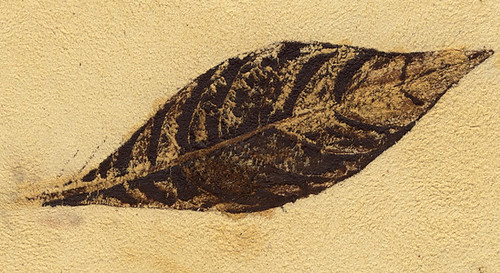
1. I used hot-press watercolor paper, scraps of paint canvas, and suede.
2. A medium slurry of acrylic and water is preferable to heavy impasto paint, especially on paper. I found that a more buttery paint consistency works better with heavily textured materials such as canvas and suede.
3. Follow the same technique as the watercolor printing above, skipping the Gum Arabic part.
4. Because acrylic molecules dry and bond more permanently, you can paint over them much sooner than watercolors (just avoid scrubbing them).

A lot of my experimenting is trial and error, and discovering which types of leaves worked best. I find that printing with the leaf underside yields a stronger vein pattern than using the top of the leaf. I also realized that I could use the leaves themselves to plan out compositions beforehand by placing them on my paper and moving them around.

Be prepared to have a few flops as you learn about materials and techniques. Once you practice a bit and find what works for you, you’ll enjoy success! As for me, what could be more fun than playing with leaves and paint and paper?

Click on the topmost image to view it larger on my Flickr photostream, click here to see several other examples of leaf printing.

Sunday, November 1, 2009

Creative journal ideas for drawing plants

We’ve all had those blocks in writing or drawing...nothing is sparking, the ideas have stopped, we see through a muddy glass. We sigh. The wellspring seems to have dried up, and there is nothing new under the sun.

Sometimes all we need is a little pump-priming to get the flow moving again. Think about these ideas for drawing, interpreting, and revealing things about plants:

• Draw the same subject three times using different media and/or line styles.

• Write a haiku about your drawing. Let a favorite quote inspire a new sketch.
• Try leaf printing with acrylics and watercolor paints.

• Sketch a series of seedpods or fruits for comparison and contrast.

• Explore the stages of maturity: for example, the sprouting seed, an opening bud and flower, or the withering folds and forms of your subject.

• Look at different leaf shapes through silhouettes.

• Describe line textures in different kinds of tree bark.

• Incorporate graphic elements into your journal pages. Think of text blocks, or a border a plant or leaf study.

• Paint a collection of nature objects from your yard.

Enjoy!

Above left:  a watercolor leaf print on heavy muslin of a fern frond.  Above right: another fern watercolor leaf print on handmade paper enhanced with a Pitt brush pen and watercolor washes.